
Adventure boots feel stiff for a reason—they’re designed with durable materials like full-grain leather and rugged soles to withstand tough conditions. This stiffness isn’t a flaw but a feature that provides long-lasting support, impact protection, and abrasion resistance. While it may take time to soften, proper care and fit can speed up the process. If you want to understand how to make your boots more comfortable without compromising their durability, keep exploring.

Get business pricing on garage and car supplies
- Business-only prices and quantity discounts
- Tax-exempt purchasing
- Multiple users, one account, clear invoices
Key Takeaways
- Stiffness is a deliberate design feature to ensure durability and support in tough outdoor conditions.
- High-quality materials like full-grain leather and reinforced fabrics naturally require time to soften.
- Proper fit and material choice influence how quickly boots mold to your feet, not just break-in time.
- Regular use and care, such as conditioning and stretching, help accelerate the softening process.
- Initial stiffness ensures long-lasting performance and protection, reflecting the boots’ rugged, reliable construction.
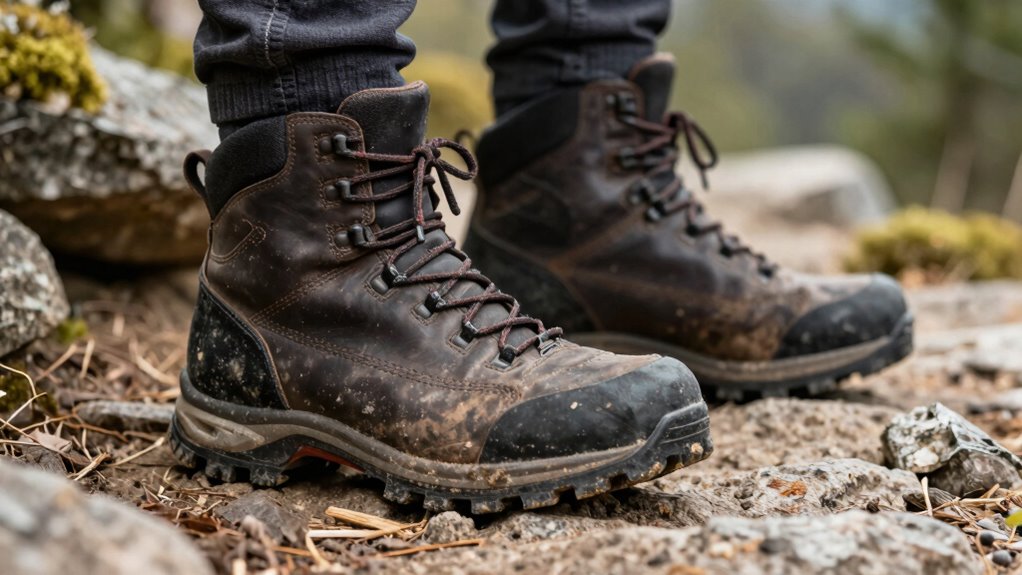
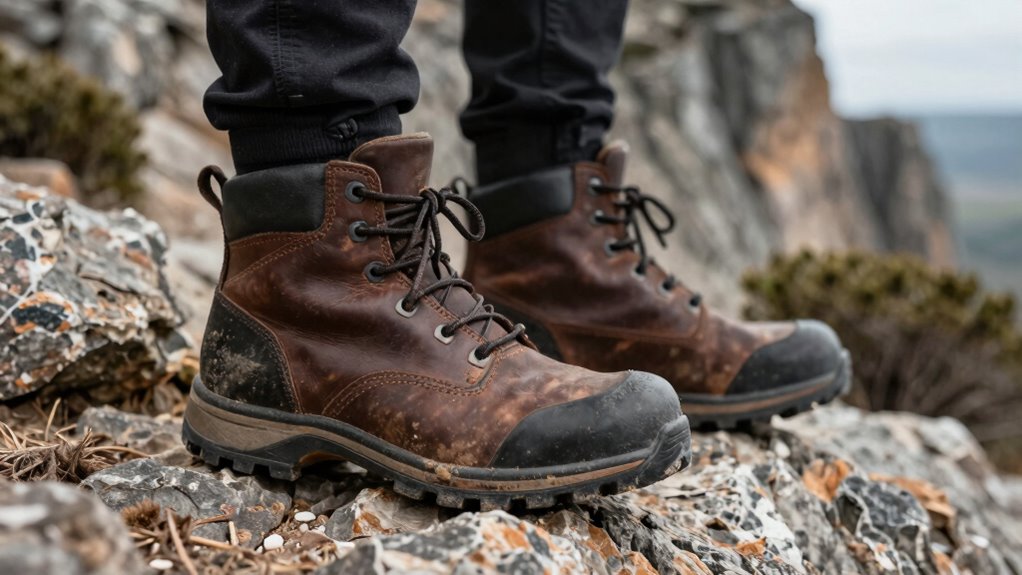
If your adventure boots feel stiff right out of the box, it’s tempting to think they just need some break-in time. While that’s often true, it’s important to understand why they might be stiff from the start. Many high-quality adventure boots are designed with durable materials that prioritize longevity and performance, which naturally results in a firmer feel initially. These materials—such as full-grain leather, reinforced synthetic fabrics, or rugged rubber soles—are selected for their ability to withstand harsh conditions and rough terrain. Their inherent material durability means they may take longer to soften and mold to your feet, but this stiffness isn’t a flaw. Instead, it’s a sign that your boots are built to last and perform reliably through demanding adventures.
Stiff adventure boots are built for durability and performance, ensuring long-lasting support through demanding outdoor conditions.
However, that initial stiffness isn’t just about durability; manufacturers also incorporate features aimed at comfort enhancement. These features include padded collars, supportive insoles, and reinforced yet flexible uppers made to provide stability and support during strenuous activities. The rigidity helps protect your feet from impact and abrasions while offering the necessary support for uneven terrain. The material composition of adventure boots is carefully selected to ensure they meet the rigors of outdoor pursuits while maintaining comfort. Understanding the importance of proper boot fitting can also significantly improve the break-in process, ensuring your boots feel better faster. Additionally, understanding the importance of material selection can help you choose boots that align with your needs and expectations for durability and comfort. Recognizing the role of proper fit is essential, as even the sturdiest boots can become more comfortable with a proper fit from the start.
You might worry that the stiffness will never go away, but with proper care, your boots will loosen up over time. Regularly wearing them around the house or walking on various surfaces helps the materials gradually soften. Using a leather conditioner or boot stretchers can also accelerate this process, making the boots more comfortable without sacrificing their durability. Remember, the goal isn’t to force your boots into softness immediately but to allow the materials to adapt naturally. This way, you get the best of both worlds: a sturdy, durable boot that offers long-lasting support and the comfort you need to enjoy your outdoor adventures.
In the end, understanding that stiffness is often a feature—not a flaw—helps you appreciate your adventure boots more. They’re crafted with quality materials meant to withstand tough conditions, and their initial firmness is part of their design to ensure they serve you well over time. With patience and proper care, your boots will break in just right, offering both the durability and comfort you deserve for every adventure.
adventure boots leather conditioner
As an affiliate, we earn on qualifying purchases.
As an affiliate, we earn on qualifying purchases.
Frequently Asked Questions
How Do I Know if My Boots Are Too Stiff?
You’ll know your boots are too stiff if they cause boot fit issues, like pinching or sore spots, after initial wear. Feel for excessive resistance when flexing your foot, and if they don’t soften over time, it’s a sign they’re too stiff. Regular leather conditioning can help, but if stiffness persists, it might be worth considering a different pair or professional stretching for better comfort.
Are Stiff Adventure Boots Safer Than Flexible Ones?
Stiff adventure boots can seem safer because they provide solid support, but flexibility promotes functionality and comfort. You prioritize your safety, so consider the shoe color and brand reputation—reliable brands often craft boots with balanced stiffness and flexibility. Ultimately, the safest boots fit well, support your foot, and suit your activity. Stiffness isn’t everything; comfort and proper fit matter most for safe, successful adventures.
Can Stiffness Affect Long-Term Comfort?
Yes, stiffness can affect your long-term comfort. When boots are too stiff, they may cause blisters, soreness, or restricted movement over time. As you wear them, they might soften, but initially, they can feel uncomfortable. Keep in mind, fashion trends often favor sleek, stiff designs, and reputable brands tend to prioritize comfort and durability. Choosing boots from a trusted brand can help guarantee your footwear remains comfortable long-term, even if stiff at first.
What Materials Contribute to Stiffness in Adventure Boots?
You’ll find that leather durability and sole rigidity contribute to the stiffness in adventure boots. Leather provides strength and longevity but can feel stiff initially, especially if it’s thick or untreated. Sole rigidity offers support and protection but limits flexibility. Notably, over 60% of hikers report discomfort from stiff soles, highlighting how these materials, while durable, can impact comfort. Proper break-in and choice of softer leathers can make a difference.
How Often Should I Expect to Break in New Adventure Boots?
You should expect to break in new adventure boots within a few wears, typically around one to two weeks, depending on materials and usage. As you wear them, they’ll conform better to your feet. While fashion trends influence styles, brand comparisons reveal differences in comfort and break-in times. Opt for reputable brands known for quality, and gradually increase wear to speed up the process.
Conclusion
So, next time your adventure boots feel stiff, remember they’re not just stubborn; they’re built for your journey’s safety. Think of them as a sturdy ship’s hull, gradually settling into your feet like a gentle tide. With time and patience, they’ll loosen, embracing your every move. Trust the process, feel the promise in each step, and soon, your boots will become a natural extension of your adventurous spirit—ready to carry you into new horizons.
Fall Picks
fall essentials
As an affiliate, we earn on qualifying purchases.